Buying your first home can feel exciting and overwhelming at the same time, especially when you are trying to decide whether a specific neighborhood is the right fit. If Deer Run is on your shortlist, you are probably looking for a home that feels approachable on price, offers more yard space than many newer neighborhoods, and keeps you close to everyday conveniences in Midlothian. This guide will help you understand what first-time buyers should know about Deer Run, from home styles and pricing to inspections, budgeting, and long-term value. Let’s dive in.
Why Deer Run Appeals to First-Time Buyers
Deer Run sits off Route 360/Hull Street in Midlothian and is known as an established 1980s neighborhood with smaller to mid-sized homes. One detail that stands out for many buyers is that Deer Run is commonly described as having no HOA, and representative records and listings show HOA dues of $0.
For many first-time buyers, that can make the math a little easier. You may be able to put more of your monthly budget toward your mortgage, maintenance, or future updates instead of recurring HOA fees.
Another draw is location. Listings regularly highlight convenient access to shopping, restaurants, Route 288, and Powhite Parkway, which can make day-to-day errands and commuting more manageable.
Deer Run Prices Compared to Chesterfield County
One reason Deer Run gets attention from first-time buyers is its relative price point. Realtor.com neighborhood pages show a median listing price of roughly $357,500 to $377,500, while Chesterfield County’s March 2026 single-family median sales price was $431,575.
That places Deer Run below the county median based on the research provided. In a county with only 1.2 months of single-family inventory in March 2026, that lower entry point can make Deer Run especially appealing if you want to buy in Midlothian without stretching as far as you might in some other parts of the county.
That said, Deer Run is not a one-price neighborhood. Condition, size, and updates matter a lot here, so two homes with similar bedroom counts may not offer the same value.
What Homes in Deer Run Usually Look Like
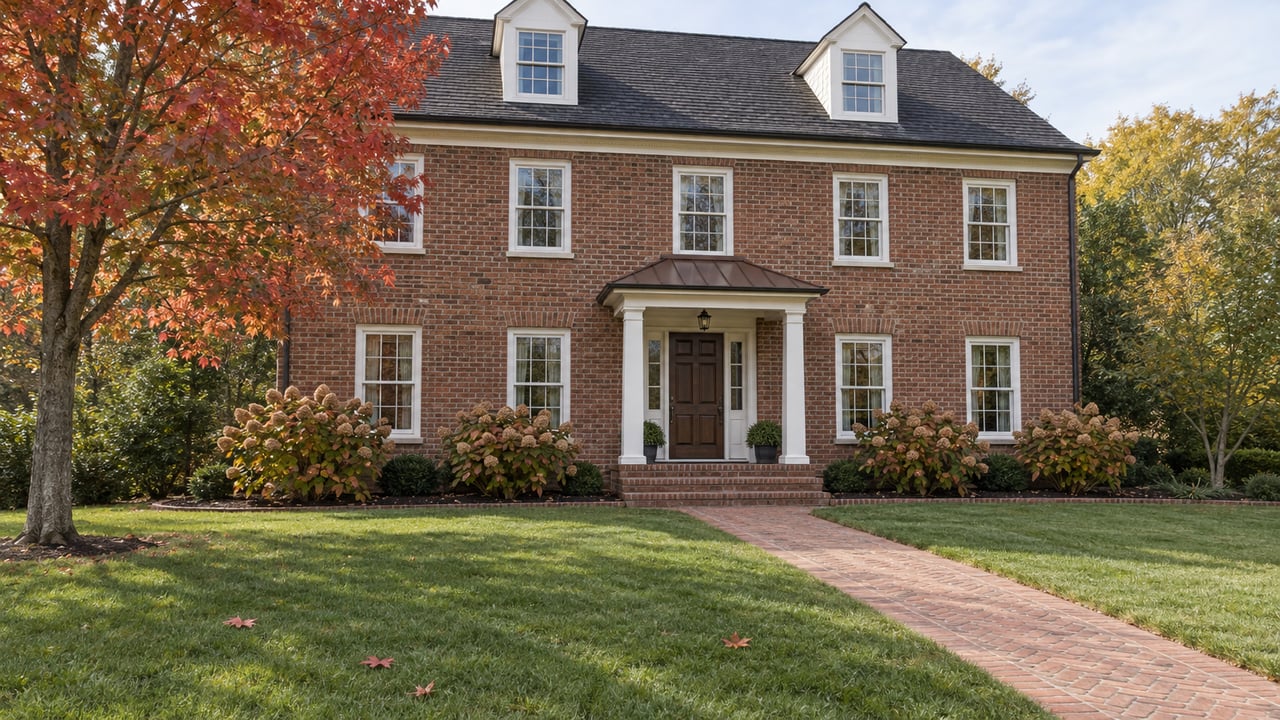
Deer Run has a fairly classic late-1980s suburban housing mix. You will often see ranchers, Cape Cod and cape-style homes, plus some larger 1.75- to 2-story layouts.
Many ranch-style homes fall around 3 bedrooms and 2 bathrooms with roughly 1,150 to 1,550 square feet. Other homes in the neighborhood can run from about 1,600 to more than 2,200 square feet, so the range is broad enough that you will want to compare each home carefully.
Lot size is another part of the appeal. Current listings commonly show lots from about a quarter acre to half an acre, which can feel more spacious than many newer suburban infill options.
How to Compare Value Home by Home
In Deer Run, it is smart to avoid treating every listing as interchangeable. Current and recent portal snapshots show asking prices around $300,000, $374,500, $375,000, $379,000, and $427,000, with one larger pending property at $534,950. Recent sales mentioned in the research clustered around the mid-$300,000s, including about $345,000, $358,000, and $360,000.
That spread tells you something important. A home’s value in Deer Run often comes down to a mix of square footage, lot size, layout, mechanical updates, and overall condition.
When you tour homes, pay attention to questions like these:
- Has the roof been replaced recently?
- Is the HVAC system newer or near the end of its life?
- Have the windows been updated?
- Are the kitchen and baths already improved, or will you want to renovate soon?
- Is the crawl space in solid condition?
- Does the lot size or outdoor setup add meaningful value for your lifestyle?
What to Inspect in a 1980s Deer Run Home
Because most Deer Run homes were built in the late 1980s, your biggest questions are usually not about trendy finishes. They are about the systems and the home envelope.
The research notes that a standard inspection should cover electrical, plumbing, roofing, insulation and ventilation, heating and cooling, foundation or crawlspaces, exterior grading, and windows. For first-time buyers, this is where a careful inspection can protect both your budget and your peace of mind.
Local listing records also show common upgrade items in Deer Run. Homes frequently market recent roof replacements, newer HVAC systems, replacement windows, updated kitchens and baths, vinyl siding, and deck work. That means these are not just nice extras. They are some of the most common value drivers in the neighborhood.
Pay Close Attention to Crawl Spaces
Several Deer Run properties include crawl spaces, so this deserves special attention. During the inspection, you will want to understand moisture conditions, ventilation, insulation, and the condition of any visible wood components.
A crawl space issue is not always a deal breaker, but it is something you want to understand before closing. For a first-time buyer, this is the difference between planning ahead and getting surprised later.
Think Beyond Cosmetic Updates
It is easy to focus on paint colors, countertops, or flooring when you walk through a home. In Deer Run, your money may go further if the home already has strong bones and solid systems, even if some cosmetic choices are not your favorite.
The research also notes that homes from this era are less likely to raise the same lead-based paint concerns associated mainly with pre-1978 homes. Still, if you are planning renovations and encounter uncertain materials, damaged materials, or hidden moisture, it makes sense to treat those as specialist-inspection items rather than assuming they are purely cosmetic.
Budget for Energy Efficiency Early
Older homes can sometimes cost more to operate if insulation and air sealing have not been improved over time. The research points out that older homes may have insulation levels below today’s standards, and leaky windows, doors, ducts, and attic penetrations can increase energy costs.
For a first-time buyer, that means your post-closing budget should not focus only on décor. In many Deer Run homes, practical upgrades like insulation, air sealing, HVAC improvements, and window replacement may deliver more day-to-day value before cosmetic projects do.
A simple way to think about it is this: comfort and efficiency upgrades often support your monthly budget just as much as they support the house itself.
Understand the Ongoing Costs
When you build your budget, look beyond the purchase price. Chesterfield County’s 2026 real-estate tax rate is $0.89 per $100 of assessed value.
Using that rate, a $357,500 purchase works out to about $3,181.75 per year, or roughly $265 per month, in county real-estate tax before exemptions or credits. A $374,500 purchase comes to about $3,333.05 per year, or roughly $278 per month.
For first-time buyers, this is an important planning step. If you are comparing Deer Run to another neighborhood, make sure you are evaluating the full monthly picture, including taxes, insurance, utilities, maintenance, and any immediate repair needs.
What Resale Could Look Like Later
Even if this is your first home, it helps to think one step ahead. Deer Run’s resale potential appears strongest for homes that are clean, mechanically sound, and priced in line with nearby comparable sales.
The neighborhood research cited in the report shows homes selling at about 100% of list price on average, and countywide single-family inventory was just 1.2 months in the March 2026 market snapshot. In a tighter market, well-presented homes can stand out, while unfinished repairs or unrealistic pricing may hurt momentum.
If you buy thoughtfully and keep up with maintenance, that can put you in a stronger position when it is time to sell. In Deer Run, updates that improve condition and function may matter just as much as style.
Could a Deer Run Home Work as a Future Rental?
Some first-time buyers like the idea of turning their first home into a rental later. Deer Run may offer some potential here, but the research suggests using caution because the rental sample is small.
Available data shows only a few Deer Run rentals at a time, while representative rent estimates cluster roughly from $2,069 to $2,574 per month, and one current rental listing is asking $2,500 per month. That suggests updated 3- to 4-bedroom homes may see workable rental demand, but there is not enough volume to rely on one rental comp alone.
If that future strategy matters to you, it is worth paying attention to layout, bedroom count, condition, and update level when you buy. Those features may matter later if you decide to hold the property instead of selling.
Smart First Steps Before You Buy
If you are serious about buying your first home in Deer Run, a little preparation can go a long way. Start with the basics:
- Know your comfortable monthly budget, not just your max approval amount
- Compare homes based on condition, size, and lot value
- Schedule inspections early enough to negotiate repairs if your contract allows it
- Prioritize major systems over cosmetic wish-list items
- Plan for post-closing maintenance and energy upgrades
- Think about resale and flexibility before you make an offer
In a neighborhood like Deer Run, the right home is often the one that balances price, condition, and long-term practicality. That is especially true for first-time buyers who want a home that feels manageable now and useful later.
Buying your first home is a big step, but it does not have to feel like guesswork. With the right guidance, Deer Run can be a neighborhood where you find more yard, an approachable price point, and a home with real long-term potential. If you want local insight and a team that can help you compare options with clarity, connect with Annemarie Hensley | Team Hensley Real Estate.
FAQs
What price range should first-time buyers expect in Deer Run?
- Deer Run listings in the research report range from about $300,000 into the $400,000s, with many recent sales and median listing figures landing in the mid-$300,000s.
What types of homes are common in Deer Run?
- Deer Run commonly features ranchers, Cape Cod and cape-style homes, plus some larger 1.75- to 2-story houses, with many homes built in the late 1980s.
What should buyers inspect first in a Deer Run home?
- First-time buyers should pay close attention to roofing, HVAC, windows, plumbing, electrical, insulation, ventilation, grading, and crawl space conditions, since these are common value and repair items in 1980s homes.
Does Deer Run usually have HOA fees?
- Based on the research provided, Deer Run is commonly described as having no HOA, and representative records and listings show HOA dues of $0.
Is Deer Run more affordable than the broader Chesterfield County market?
- Based on the research snapshot, Deer Run’s median listing price is below Chesterfield County’s March 2026 single-family median sales price, which may make it an attractive option for first-time buyers.
Could a Deer Run home become a rental later?
- It may be possible, especially for updated 3- to 4-bedroom homes, but the rental sample in Deer Run is small, so buyers should be careful about relying too heavily on one rent estimate or listing.