Making your home more energy efficient is about far more than just lowering your utility bills. It’s about creating a living space that works smarter, feels more comfortable, and adds long-term value without sacrificing your lifestyle. Every upgrade you make — from small habit changes to larger system overhauls — can transform how your property performs year-round. This guide will walk you through proven strategies that reduce waste and make your home more enjoyable to live in every day.
Start With A Professional Energy Audit
Before making any changes, you need to know exactly where your home is losing energy. A professional energy audit gives you a complete picture of what’s working well and what’s costing you money. Trained technicians use advanced tools, such as blower doors, infrared cameras, and duct leakage testers, to identify hidden problem areas. They’ll check your insulation, inspect your ductwork, and test for air leaks you can’t see. The result is a customized plan that helps you focus your budget on improvements with the biggest payoff. Without this important first step, you risk spending money on upgrades that won’t make much of a difference.
Upgrade the Insulation For Year-Round Savings
If your home struggles to stay warm in winter or cool in summer, insufficient insulation might be the culprit. Adding insulation to your attic, walls, and crawl spaces creates a protective barrier that keeps indoor temperatures steady. Opt for high-quality materials, such as spray foam or dense fiberglass batts, for maximum effectiveness. While insulation isn’t a flashy upgrade, it’s one of the most cost-effective investments you can make, paying for itself over time in reduced energy bills and improved comfort.
Seal Air Leaks Around Windows And Doors
Even the tiniest gaps around windows, doors, and other openings can act like open invitations for outside air to creep in and your conditioned air to leak out. Sealing these leaks is quick, affordable, and highly effective.
Use weatherstripping for movable parts like doors and windows, and incorporate caulking for stationary seams and cracks. Pay extra attention to baseboards, attic hatches, and spots where cables or plumbing enter your home. This simple, straightforward update helps your heating and cooling systems operate more efficiently and keeps rooms consistently comfortable without overworking your HVAC system.
Use weatherstripping for movable parts like doors and windows, and incorporate caulking for stationary seams and cracks. Pay extra attention to baseboards, attic hatches, and spots where cables or plumbing enter your home. This simple, straightforward update helps your heating and cooling systems operate more efficiently and keeps rooms consistently comfortable without overworking your HVAC system.
Choose Energy-Efficient Windows
Older, single-pane windows are often one of the most notable energy drains in a home. Upgrading to double- or triple-pane windows with low-emissivity coatings creates a powerful thermal barrier that keeps heat in during winter and out during summer. Many modern windows also come with gas fills like argon or krypton between the panes for even more effective insulation. While replacing all of the windows can be a significant investment, it’s one that delivers benefits for decades: lower utility bills, enhanced indoor comfort, and even improved soundproofing.
Upgrade To An Efficient HVAC System
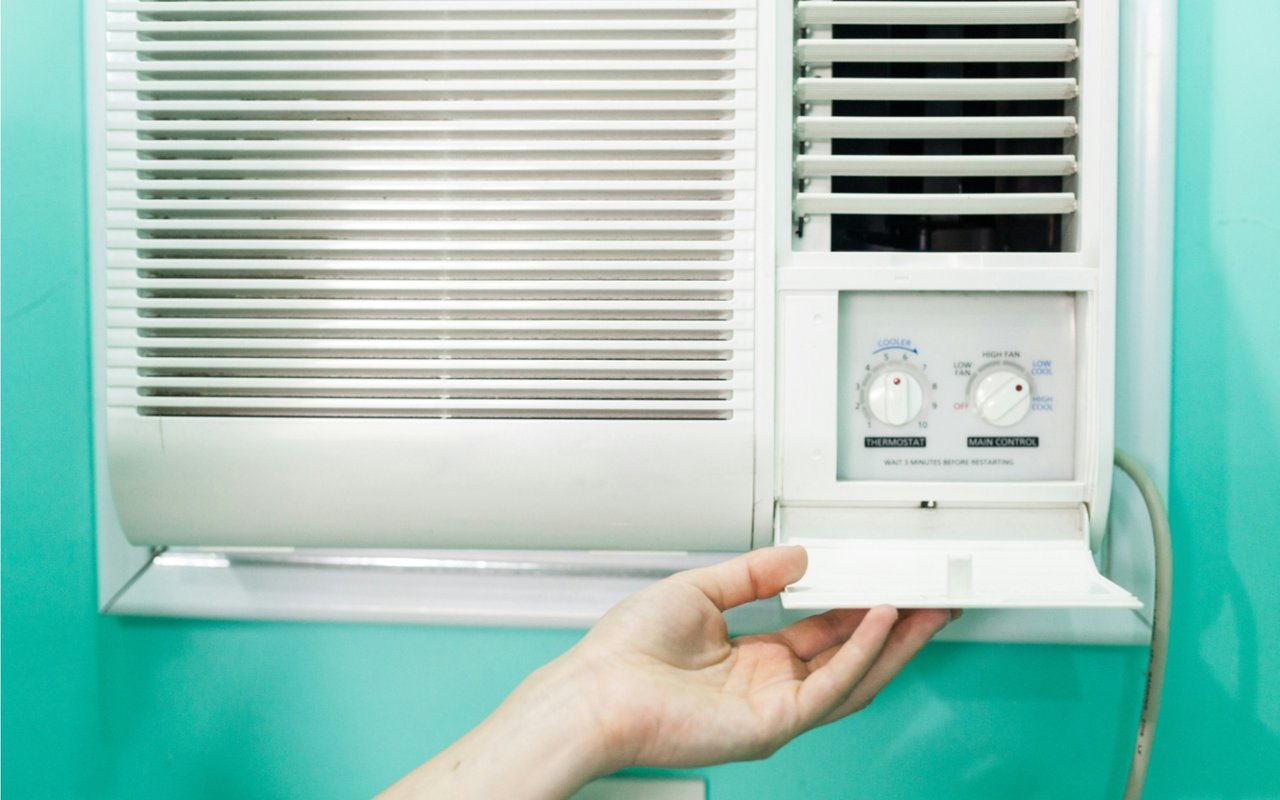
Heating and cooling account for a substantial percentage of your home’s energy use, so an outdated HVAC system can cost you significantly every month. If your system is over 10 to 15 years old, upgrading to a high-efficiency unit can dramatically reduce your energy consumption. Today’s models are designed to deliver optimal comfort while using far less power. Pair your new system with zoning controls so that you can heat or cool only the spaces you’re using, and you’ll take your efficiency to the next level.
Use A Programmable Or Smart Thermostat
Controlling your heating and cooling schedule is one of the easiest ways to cut energy costs without sacrificing comfort. A programmable thermostat lets you set specific temperatures for different times of day, so your system isn’t running when you’re asleep or away. Smart thermostats go even further by learning your daily schedule or routines and adjusting automatically. Many can even be controlled remotely from your phone, so if your plans change, you can adjust the temperature before you get home. Over time, these adjustments can add up to hundreds of dollars in annual savings.
Install Energy-Efficient Lighting
Switching your home’s lighting to LED or other energy-efficient bulbs is one of the simplest and fastest changes you can make. LEDs use up to 75% less energy than traditional bulbs and can last up to 25 times longer. Not only that, but they’re available in a variety of color temperatures to create the right ambiance for each room. Pair them with dimmer switches, motion sensors, or timers to further reduce energy waste. The cost of upgrading your entire home’s lighting is relatively small compared to the long-term savings involved.
Upgrade the Appliances To Energy Star-Certified Models
Large appliances like refrigerators, dishwashers, washers, and dryers can account for a major portion of your energy usage. If yours are more than a decade old, they’re likely consuming far more power than necessary. Energy Star–certified appliances are tested to meet strict efficiency standards while improving performance. Many models also come with advanced features that use sensors to adjust water levels, drying times, or cooling cycles based on your needs, giving you top-tier performance while keeping costs down.
Make Use Of Natural Light And Ventilation
Your home comes with two free resources that can boost energy efficiency instantly: sunlight and fresh air. Open the curtains and blinds during the daylight hours to reduce the need for artificial lighting. Position mirrors to reflect natural light deeper into your rooms. On mild, pleasant days, open the windows on opposite sides of the home to create cross-ventilation, which helps cool spaces without relying on air conditioning.
Add Ceiling Fans For Better Air Circulation
Ceiling fans are an underrated tool for year-round comfort. In the summer, set them to rotate counterclockwise to create a cooling breeze, allowing you to set your thermostat a few degrees higher without feeling too warm. In the winter, reverse the direction so that the blades push warm air downward from the ceiling. This minor adjustment helps maintain a more consistent temperature, allowing your HVAC system to run less often.
Use Window Treatments To Control Heat
Window treatments aren’t just for style; they can play a significant role in regulating indoor temperatures. Thermal curtains and insulated shades help block the sun’s heat during summer while keeping warmth inside during colder months. Cellular shades, in particular, are highly effective at reducing heat transfer. By combining energy-efficient window coverings with strategic opening and closing based on the season, you can significantly reduce heating and cooling demands.
Maintain Your HVAC System Regularly
Even the most advanced heating and cooling setup won’t operate at peak efficiency without regular, effective maintenance. Replace the air filters every one to three months, clear out any debris from outdoor units, and schedule annual inspections to catch minor issues before they snowball into more extensive problems. Well-maintained systems run more efficiently, last longer, and provide better comfort.
Reassess Your Energy Habits
Technology is only part of the equation — your daily habits matter just as much. Turning off the lights when leaving a room, running appliances only with full loads, and avoiding overuse of heating or cooling systems all add up over time. Get into the habit of unplugging any devices you’re not using, adjusting the thermostat before leaving for the day, and making small choices that reduce energy use without impacting comfort.
Get Started Today
Transforming your home into an energy-efficient powerhouse doesn’t happen overnight, but each improvement you make moves you closer to lower bills, greater comfort, and a smaller environmental footprint. Start with the changes that offer the biggest return, adopt smarter habits, and invest in upgrades that align with your lifestyle. Over time, you’ll enjoy a home that works harder for you without wasting resources.
If you’re ready to find a beautiful home to call your own, Team Hensley will help you achieve all your real estate dreams in Midlothian and Chesterfield, VA.
If you’re ready to find a beautiful home to call your own, Team Hensley will help you achieve all your real estate dreams in Midlothian and Chesterfield, VA.